How Electronic Devices Work and How to Apply Basic Components in Real Circuits
Content: Как устроены электронные устройства и как применять основные компоненты в реальных схемах.pdf (6.75 MB)
Uploaded: 30.07.2026
Positive responses: -1
Negative responses: 0
Sold: -1
Refunds: -1
~ $4.72
The exact amount is on the payment page
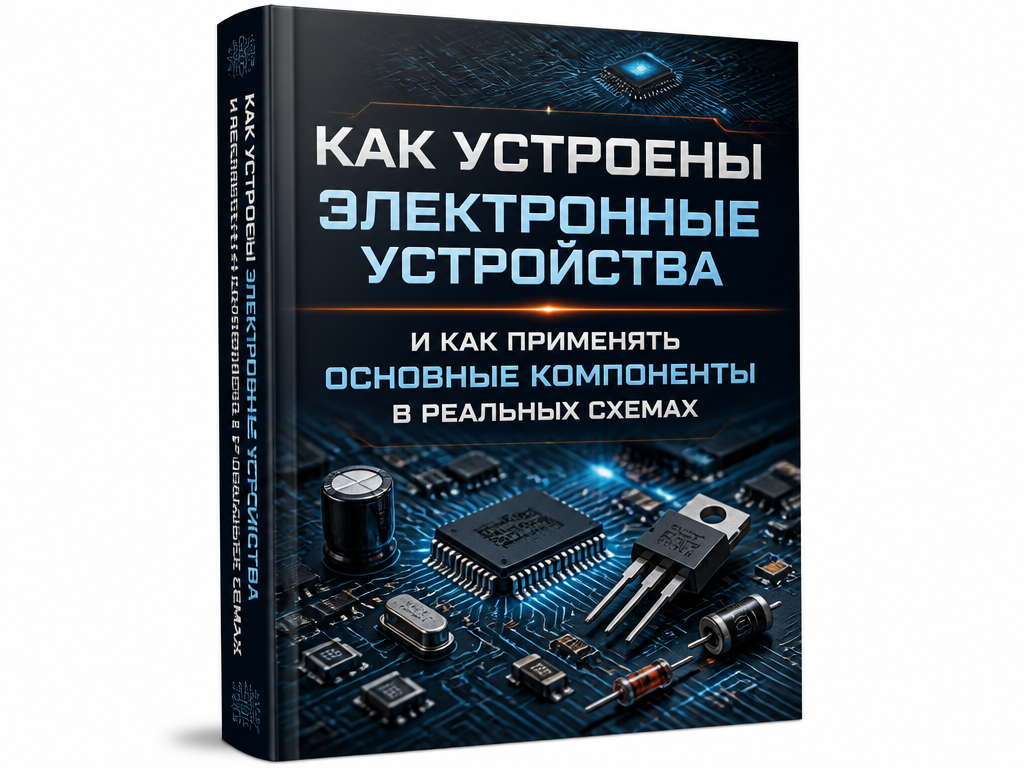
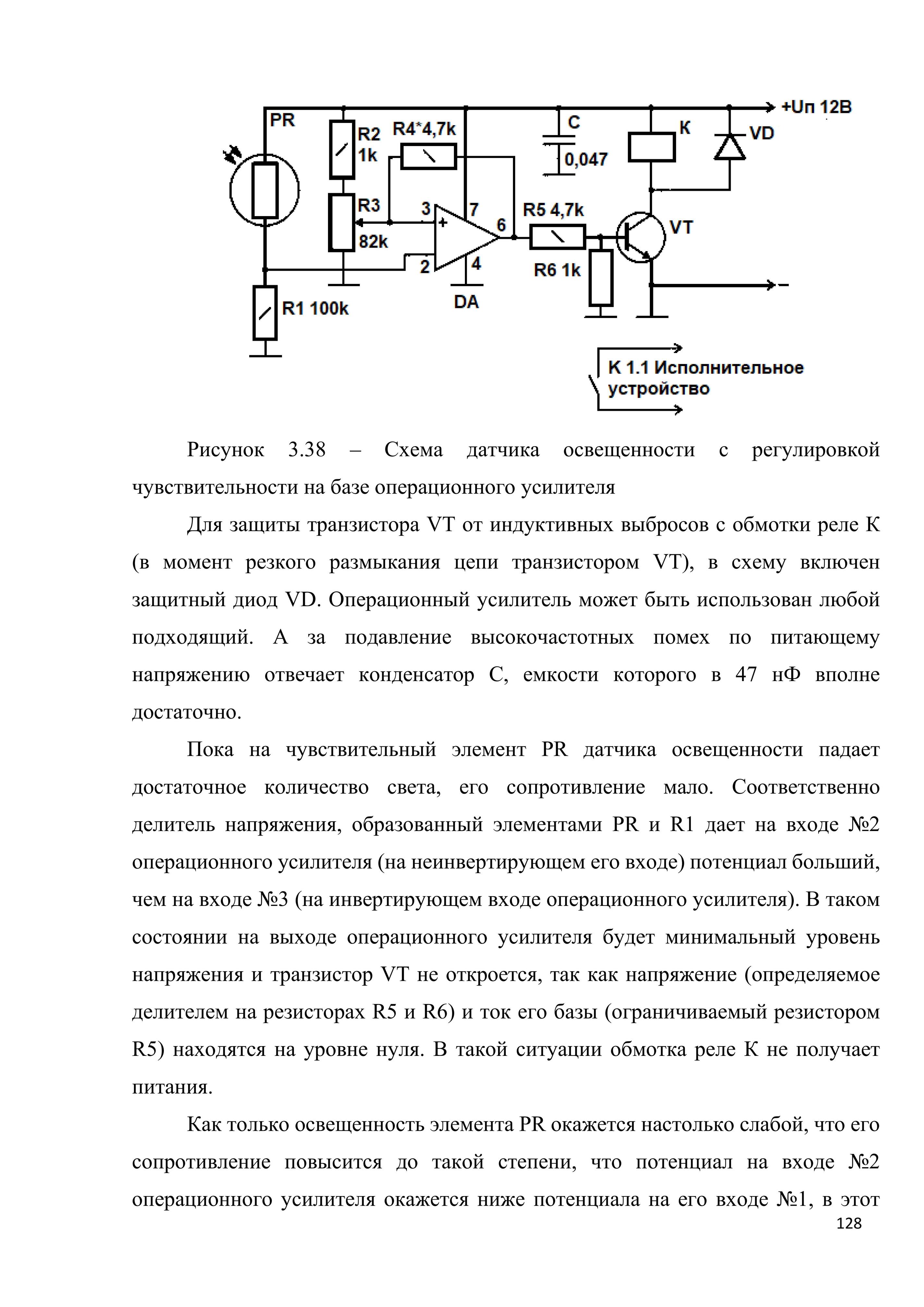
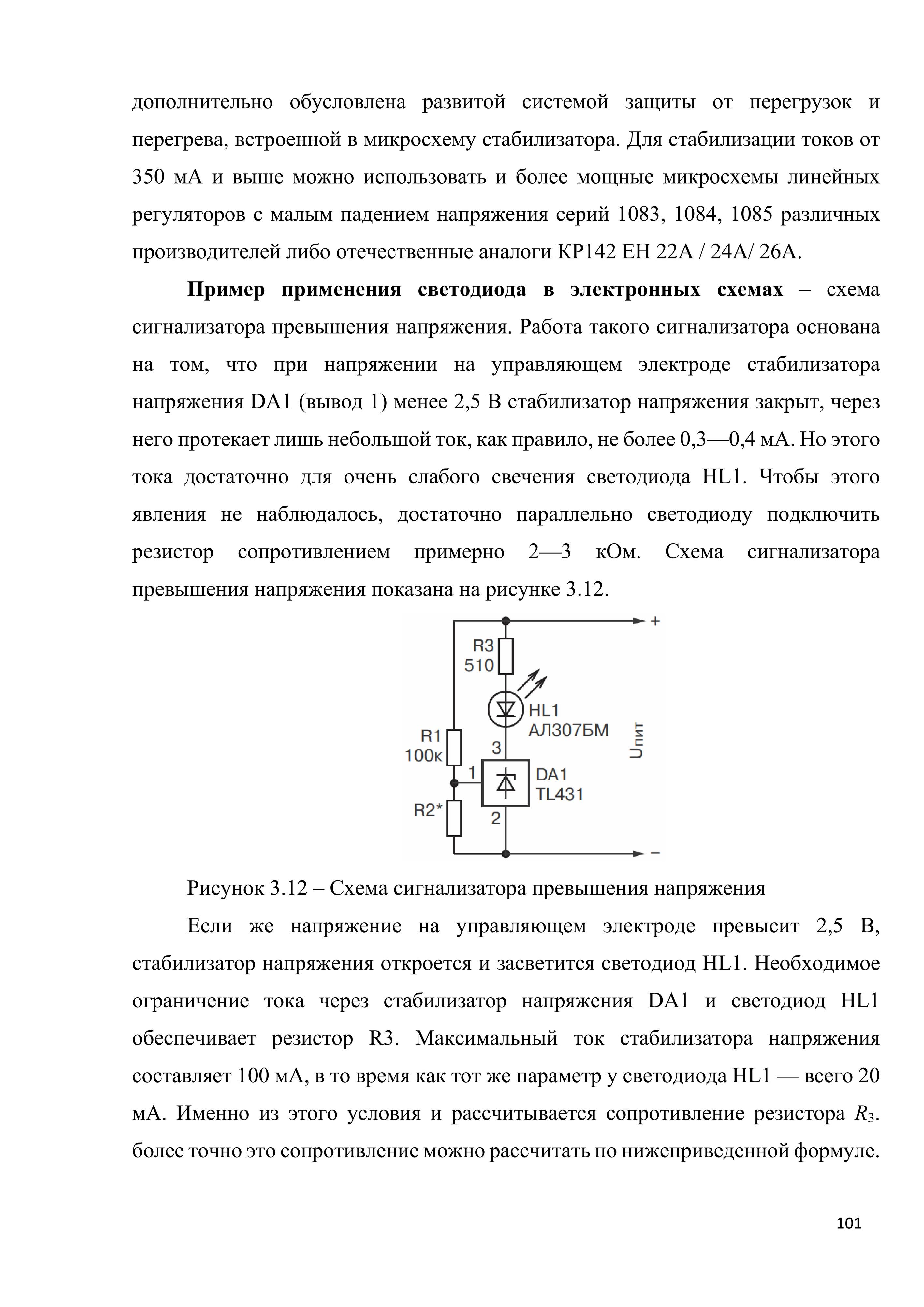
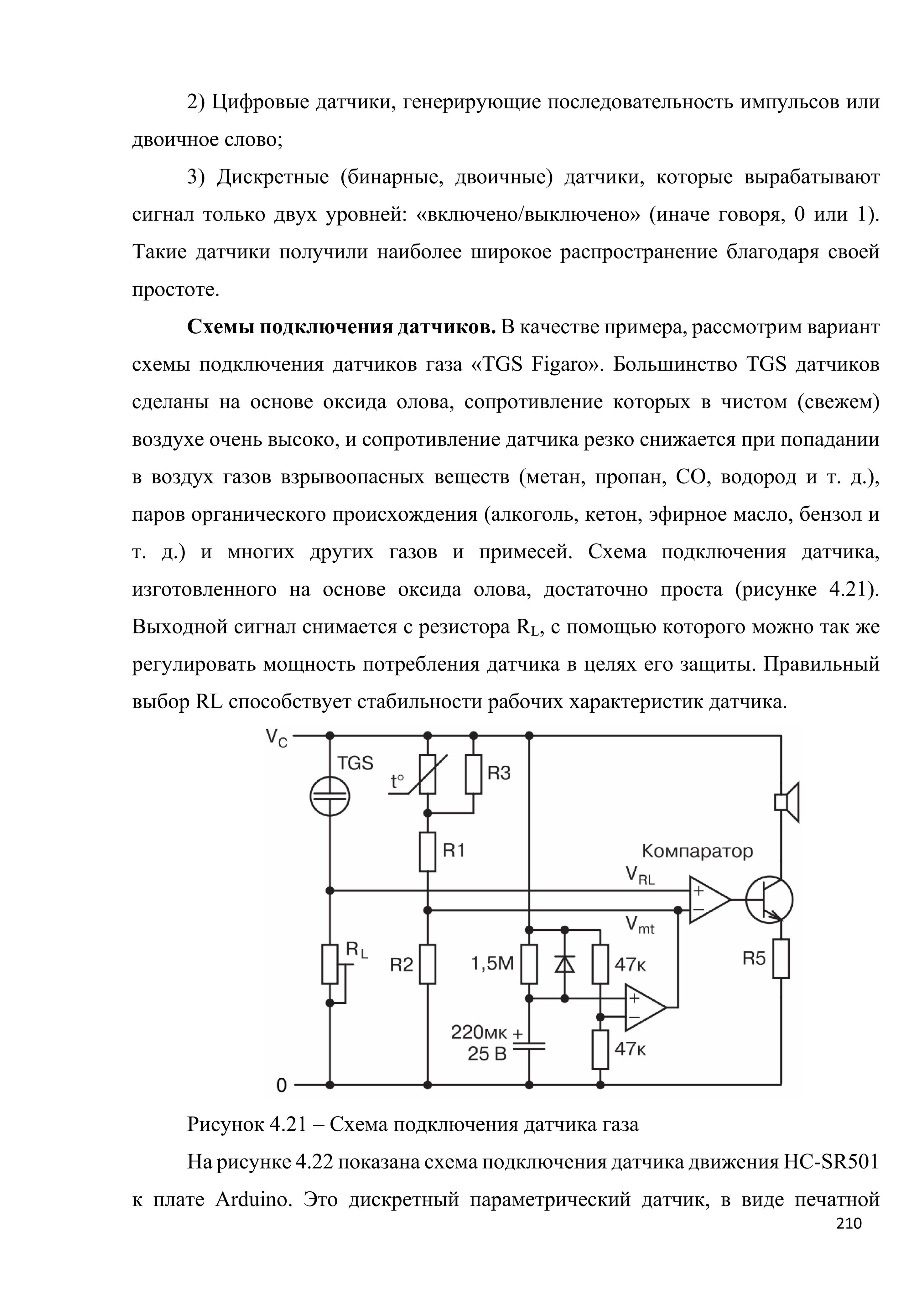

This practical guide helps you understand how modern electronic devices are built, what basic components they consist of, and why these particular components determine the operation of the entire circuit. The book systematically explains the operating principles of key electronic components, shows their connection to real circuit solutions, and helps bridge the gap between theory and practice.
It covers diodes, transistors, resistors, capacitors, inductors, optoelectronic components, integrated circuits, microcontrollers, sensors, indicators, and other fundamental electronic elements. More importantly, it demonstrates their real-world application in devices and units encountered in education, repair, and design.
The reader will learn not only what each component does, but also how it behaves in a circuit, what its key parameters are, how to read datasheets, and how to use this data when selecting parts. The book covers:
classification and parameters of passive and active components;
operating principles of diodes, thyristors, bipolar and field-effect transistors;
optoelectronic emitters and photodetectors, optocouplers;
integrated circuits, microprocessors, and microcontrollers;
sensors and DC-DC converters;
indicators and display elements;
magnetoelectronic devices (Hall effect, Hall sensors);
principles of component selection and assembly.
What makes this edition particularly valuable is that it combines educational and practical approaches: it not only explains component construction but also shows how they are applied in real circuits, how to read their specifications, and how to use this knowledge in everyday work. As a result, the book serves both as a textbook and as a reference for daily technical tasks.
It covers diodes, transistors, resistors, capacitors, inductors, optoelectronic components, integrated circuits, microcontrollers, sensors, indicators, and other fundamental electronic elements. More importantly, it demonstrates their real-world application in devices and units encountered in education, repair, and design.
The reader will learn not only what each component does, but also how it behaves in a circuit, what its key parameters are, how to read datasheets, and how to use this data when selecting parts. The book covers:
classification and parameters of passive and active components;
operating principles of diodes, thyristors, bipolar and field-effect transistors;
optoelectronic emitters and photodetectors, optocouplers;
integrated circuits, microprocessors, and microcontrollers;
sensors and DC-DC converters;
indicators and display elements;
magnetoelectronic devices (Hall effect, Hall sensors);
principles of component selection and assembly.
What makes this edition particularly valuable is that it combines educational and practical approaches: it not only explains component construction but also shows how they are applied in real circuits, how to read their specifications, and how to use this knowledge in everyday work. As a result, the book serves both as a textbook and as a reference for daily technical tasks.
Section 1. General Characteristics of Electronic and Electrical Components
Component classification, active and passive elements, interfaces, key characteristics.
Section 2. Passive and Active Components
Resistors (types, marking, power, tolerances), capacitors (construction, marking, parameters), inductors and transformers, connectors and contact devices, electromechanical switching elements. Diodes and thyristors, bipolar and field-effect transistors.
Section 3. Optoelectronic Devices
Optoelectronics, light emitters (LEDs, OLEDs, lasers, quantum dots), photodetectors (photocells, photoresistors, photodiodes, phototransistors), optoelectronic ICs, optocouplers, solid-state relays, optical waveguide systems.
Section 4. Integrated Circuits and Their Functional Elements
IC classification, semiconductor IC construction, microprocessors and microcontrollers, memory ICs (DRAM, SRAM, Flash), digital communication protocols (I2C, SPI, UART), sensors, DC-DC converters, indicators and display elements, magnetoelectronic devices.
Section 5. Component Selection and Assembly
Key principles of component selection, assembly techniques (through-hole mounting, lead forming, surface-mount technology, wave soldering, selective soldering, infrared and laser soldering).
Component classification, active and passive elements, interfaces, key characteristics.
Section 2. Passive and Active Components
Resistors (types, marking, power, tolerances), capacitors (construction, marking, parameters), inductors and transformers, connectors and contact devices, electromechanical switching elements. Diodes and thyristors, bipolar and field-effect transistors.
Section 3. Optoelectronic Devices
Optoelectronics, light emitters (LEDs, OLEDs, lasers, quantum dots), photodetectors (photocells, photoresistors, photodiodes, phototransistors), optoelectronic ICs, optocouplers, solid-state relays, optical waveguide systems.
Section 4. Integrated Circuits and Their Functional Elements
IC classification, semiconductor IC construction, microprocessors and microcontrollers, memory ICs (DRAM, SRAM, Flash), digital communication protocols (I2C, SPI, UART), sensors, DC-DC converters, indicators and display elements, magnetoelectronic devices.
Section 5. Component Selection and Assembly
Key principles of component selection, assembly techniques (through-hole mounting, lead forming, surface-mount technology, wave soldering, selective soldering, infrared and laser soldering).
No feedback yet